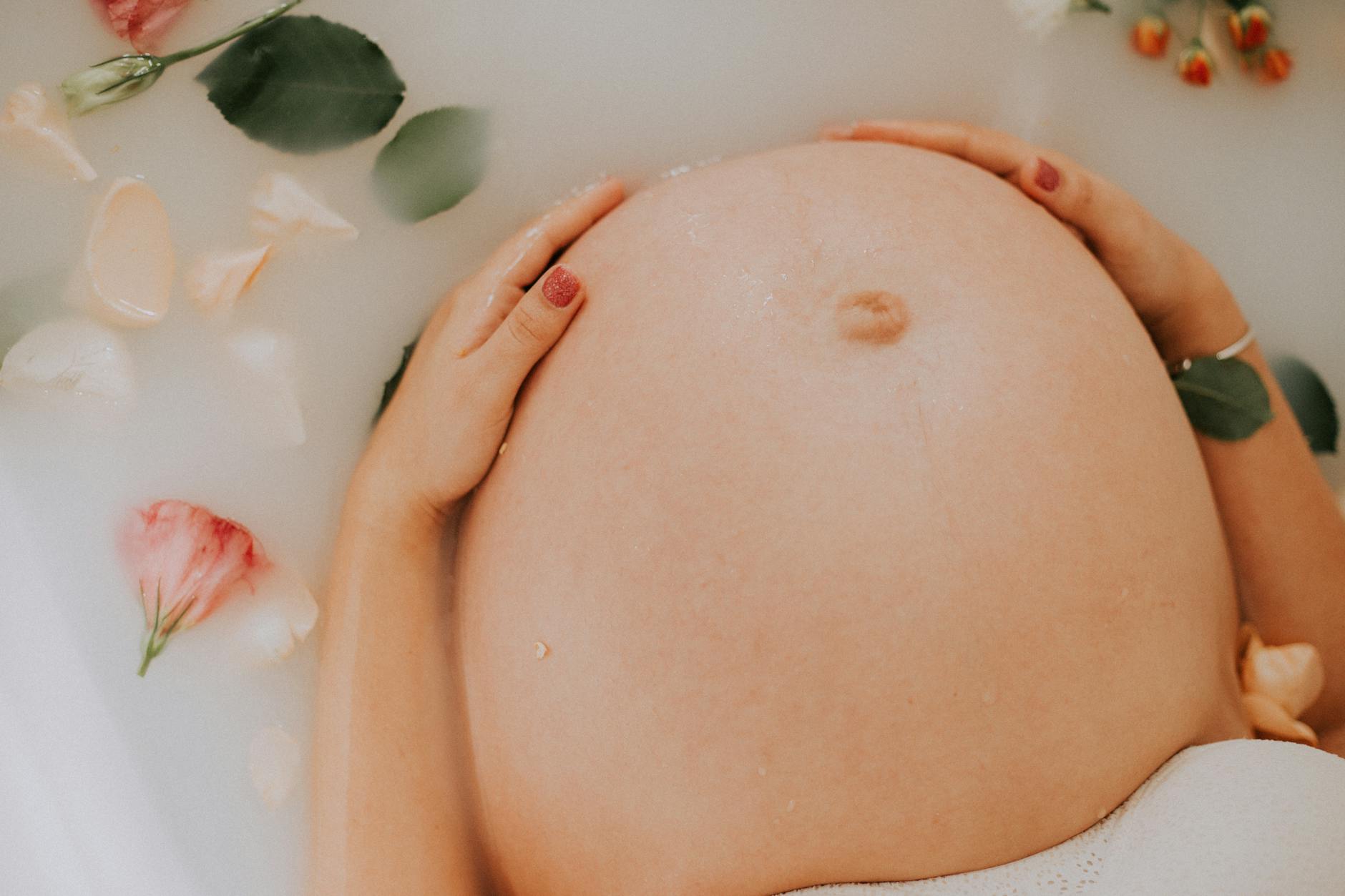
The weeks following the birth of my daughter were a powerful, transformational time.
As someone who had battled anxiety and depression for as long as I could remember, the postpartum period intensified those struggles. The default solution every time seemed to be medication (birth control, anti-depressants etc).
But deep down, I knew there had to be another way.
The Medication Dilemma
I agreed to take anti-depressants many times through my life, hoping for relief. However, my experience mirrored previous attempts: obsessive thoughts persisted, and a numbing effect settled in. This wasn’t the path I wanted. Deep down, I knew there was more to healing than medicating my creative spirit into submission.
A New Perspective: Health & Nutrition
My awakening came when I consulted a Naturopath. Suddenly, it seemed obvious: food could be medicine, and nutrients could serve as elixirs for a troubled mind. I embarked on a journey to transform my life through nutritional excellence and help others do the same. My studies in nutritional medicine and neuroscience led me to become a Holistic Health Practitioner.
Rethinking Fitness and Wellness
As a certified Personal Trainer, I had previously viewed health and wellness solely through a physical fitness lens. Food choices were about aesthetics: almonds for hair, lemons for skin, and grapefruit for a toned midsection. This mindset carried into my pregnancy and postpartum wellness goals…keeping my waist trim, avoiding stretch marks, and maintaining pelvic strength.
The Forgotten Factors
Three critical aspects eluded me:
- Cognitive and Emotional Health: Beyond physical appearance, mental well-being matters profoundly.
- Postpartum Hormones: The placenta draws nutrients and produces hormones during pregnancy, while the ovaries temporarily shut down. Post-birth, the ovaries must “turn back on,” potentially leading to low progesterone levels.
- Nutrient Depletion: Calorie-deficit weight loss programs after childbirth, especially while breastfeeding, can deplete essential nutrients, causing mood disorders and hormone imbalances.
Postpartum Hormones: The Missing Link
The Importance of Progesterone
Progesterone plays a crucial role in mood regulation, zinc balance, and thyroid function. Low progesterone levels can manifest as:
- Dry skin
- Hair loss
- Irritability
- Coldness
- Hypothyroid symptoms
- Weight gain
- Premenstrual Symptom
Moon Cycle Alignment: a Holistic + integrative solution to Hormone Balance
Incorporating cyclical nutrition and aligning with the moon and menstrual cycle can further enhance hormone balance. Here are a few specific ways to do that:
- Cyclical Nutrition:
- Cycle Syncing: Adapt your eating habits to the phases of the menstrual cycle. During different phases, focus on specific nutrients to support hormonal health:
- Follicular Phase (Days 1-14):
- B Vitamins: Boost ovulation and implantation. Include leafy greens, gluten-free grains (like buckwheat), eggs, and organic, grass-fed meats.
- Luteal Phase (Days 14-28):
- Calcium and Magnesium: Enhance pelvic blood flow and hormonal balance.
- Follicular Phase (Days 1-14):
- Cycle Syncing: Adapt your eating habits to the phases of the menstrual cycle. During different phases, focus on specific nutrients to support hormonal health:
- Seed Cycling:
- Seed Cycling with the Moon: Rotate seeds alongside the phases of the moon. This practice aims to balance hormone production, benefiting menstrual and hormonal health, and ultimately fertility.
- Follicular Phase (New Moon, Days 1-14):
- Consume flax, chia, and pumpkin seeds for estrogen regulation.
- Luteal Phase (Full Moon):
- Opt for sesame and sunflower seeds to support estrogen and progesterone balance.
- Follicular Phase (New Moon, Days 1-14):
- Seed Cycling with the Moon: Rotate seeds alongside the phases of the moon. This practice aims to balance hormone production, benefiting menstrual and hormonal health, and ultimately fertility.
Stress Management Techniques
Meditation, Deep breathing, Hypnotherapy, and NLP help reduce stress and promote hormonal harmony
holistic Healing
Harmonizing hormones through holistic health practices can transform postpartum well-being. Let’s prioritize nourishing our minds and bodies, recognizing that true healing extends beyond medication. 🌿💕

 by Lynnea Marie Gillingham